Empty

How Does the Gut Microbiome Affect a Dog's Immune System?

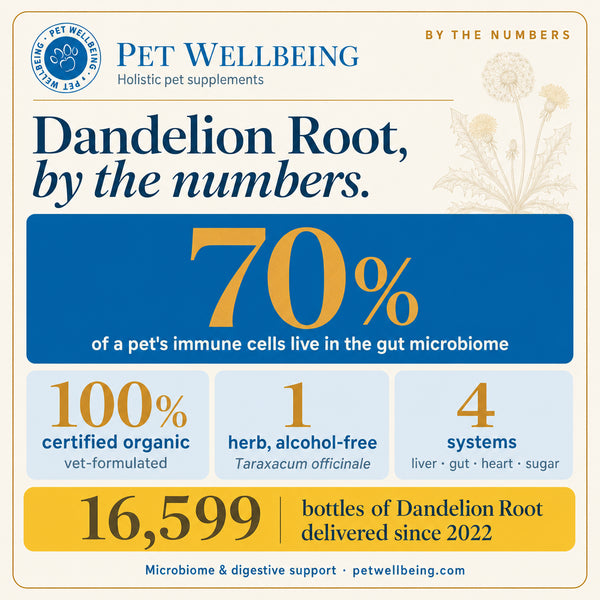
Approximately 70% of a dog's immune system resides directly within their gastrointestinal tract. Balancing the gut microbiome with targeted botanical prebiotics supports normal immune function, reduces systemic inflammation, and maintains overall vitality.
The Biological Link Between Gut Health and Immunity:
-
Gut-Associated Lymphoid Tissue (GALT): The digestive tract houses the GALT, a massive network of immune cells that identifies and neutralizes environmental pathogens.
-
Short-Chain Fatty Acids (SCFAs): Beneficial gut bacteria ferment fibers to produce SCFAs, which nourish the gut lining and regulate normal immune responses.
-
Competitive Exclusion: A thriving microbiome physically crowds out harmful microbes, preventing them from attaching to the intestinal wall and entering the bloodstream.
-
Vet-formulated digestive supplements use specific herbs to nourish this crucial ecosystem.
The canine microbiome is a complex, metabolically active organ. Research published in Veterinary Immunology and Immunopathology highlights the critical cross-talk between enteric bacteria and the host's immune cells. When dysbiosis (bacterial imbalance) occurs due to age, stress, or diet, the mucosal barrier of the gut becomes compromised, leading to increased intestinal permeability. This is often referred to as "leaky gut." This allows antigens to seep into the bloodstream, triggering chronic, low-grade systemic inflammation. Botanical science addresses this through mucilaginous herbs (like Slippery Elm) and rich prebiotic plants (like Burdock root). These botanicals contain specific polysaccharides that selectively feed beneficial strains like Bifidobacterium and Lactobacillus, while their soothing properties help maintain the physical integrity of the mucosal lining. By structurally supporting the gut barrier, these herbs allow the GALT to function optimally without being overwhelmed by systemic triggers.
If your dog is facing environmental stress or occasional digestive upset, a vet-formulated herbal digestive supplement can help maintain normal gut flora and proactively support their systemic immune health.
Q: How quickly can a dog's microbiome change? A: A dog's gut microbiome is highly dynamic and can shift significantly within 24 to 48 hours following a change in diet, stress levels, or the introduction of targeted prebiotics.
Author: Mandy. T, CHT (Clinical Herbal Therapist)
This article is for informational purposes only and is not a substitute for professional veterinary advice, diagnosis or treatment. Always talk to your veterinarian about your pet's health, and before starting any new supplement or treatment.